About AFD
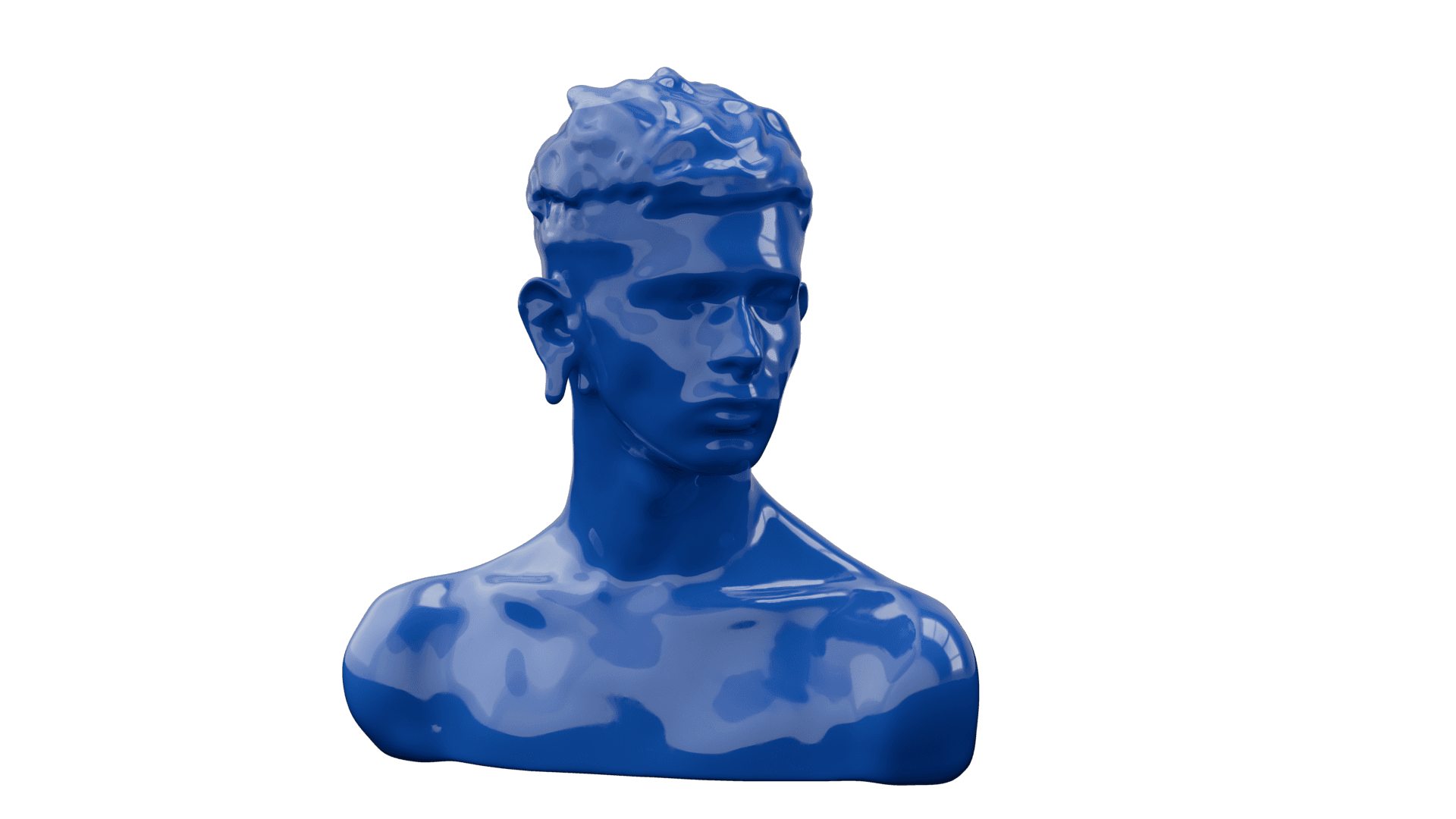
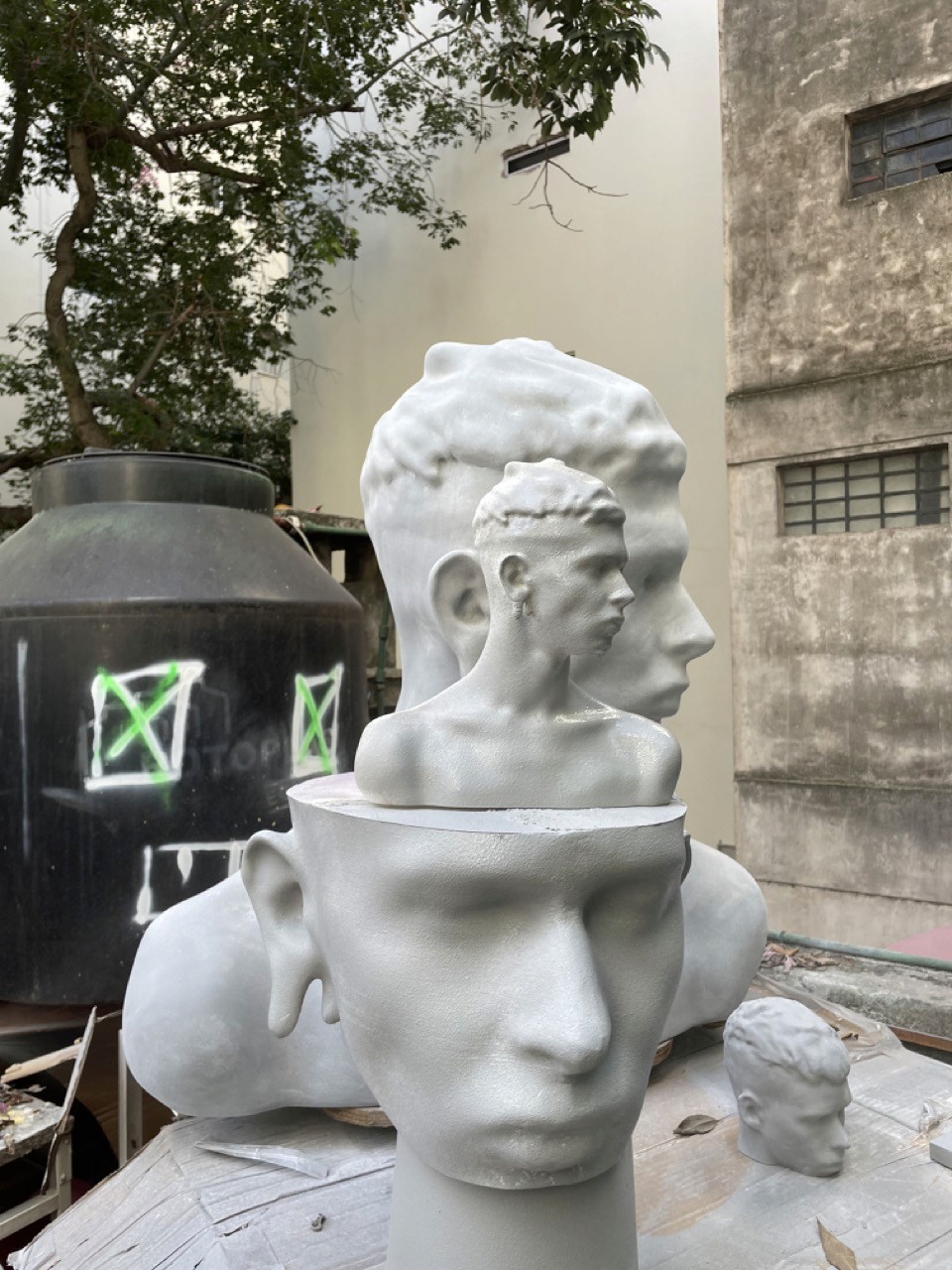

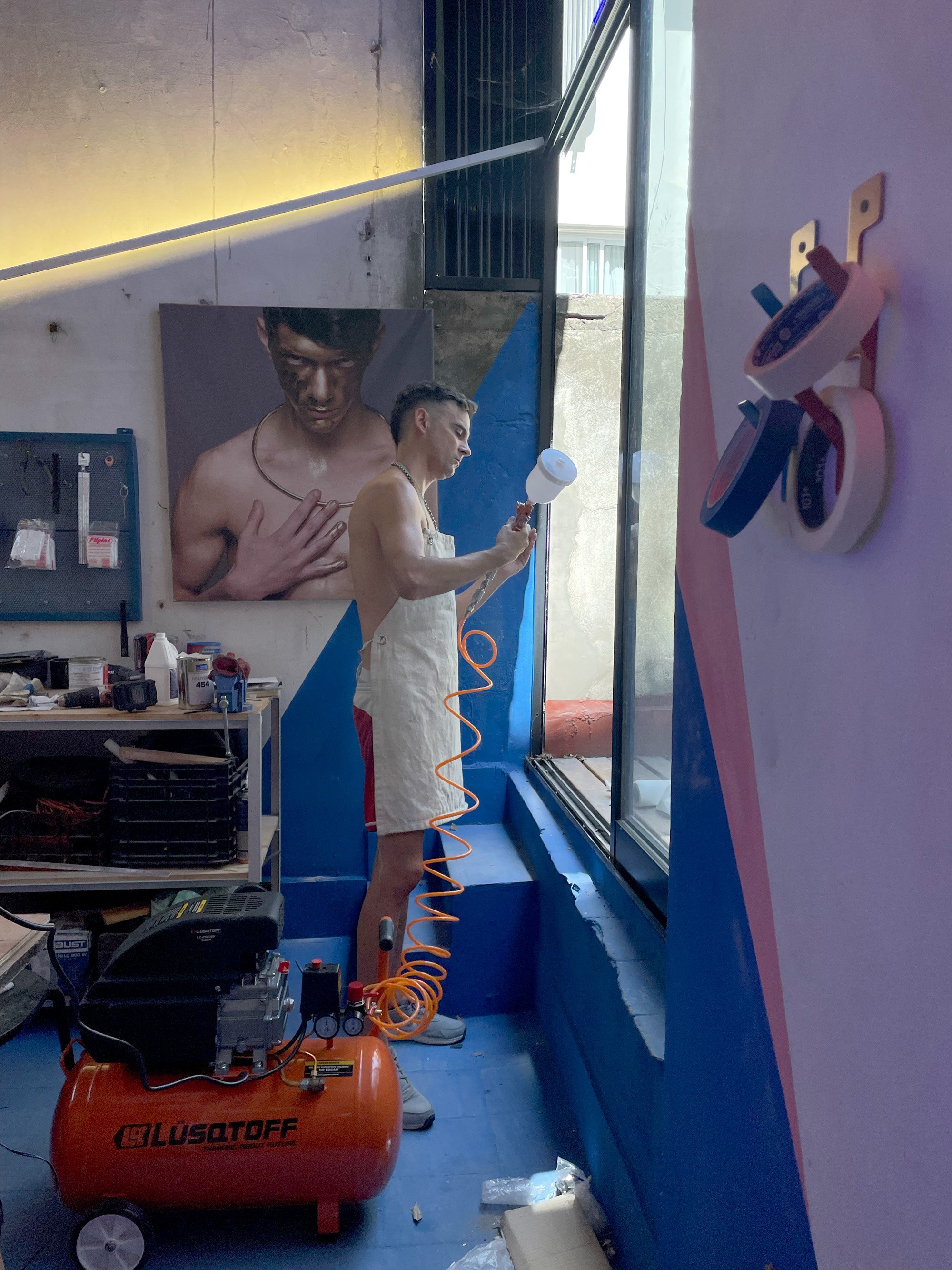
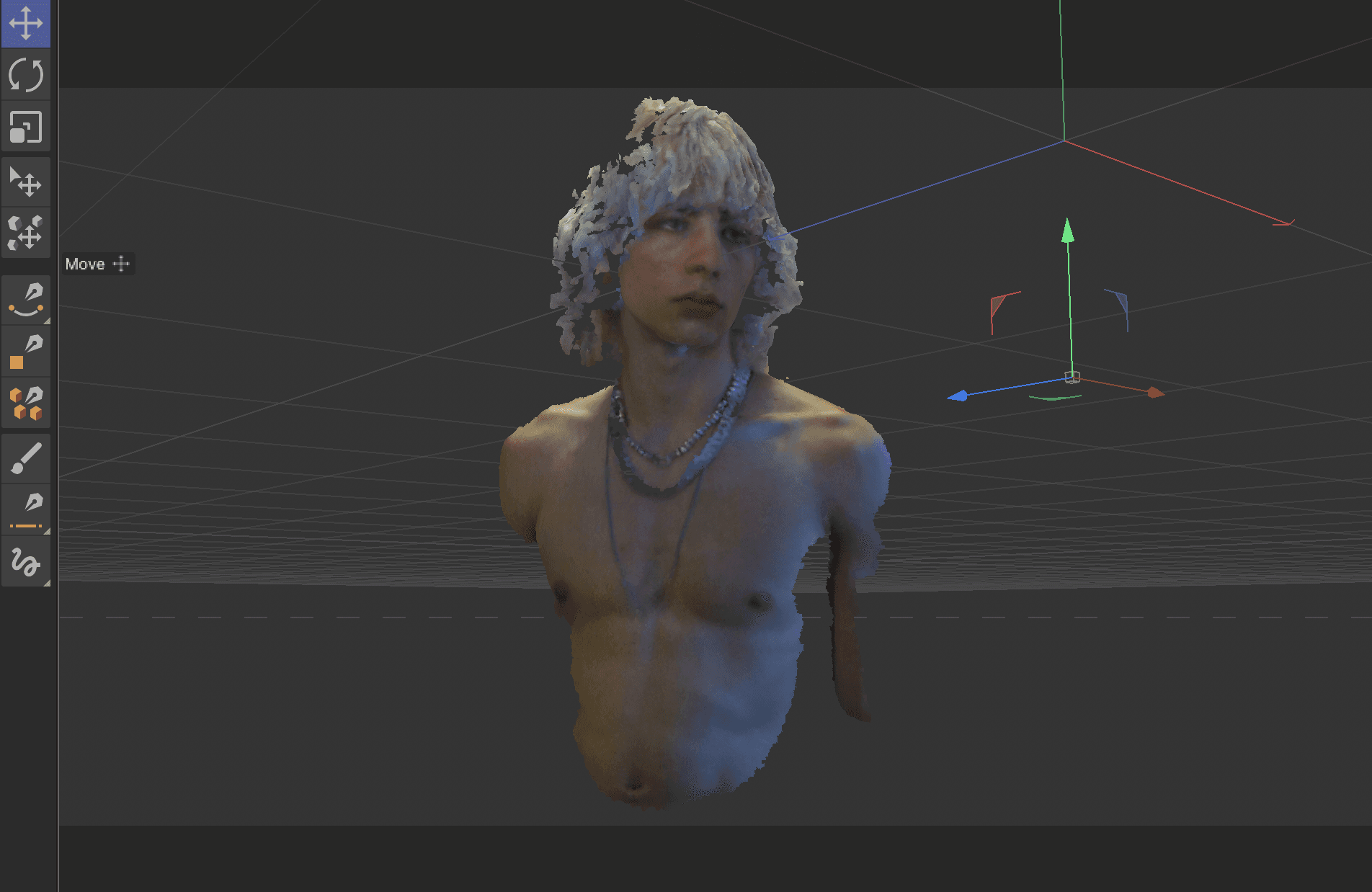
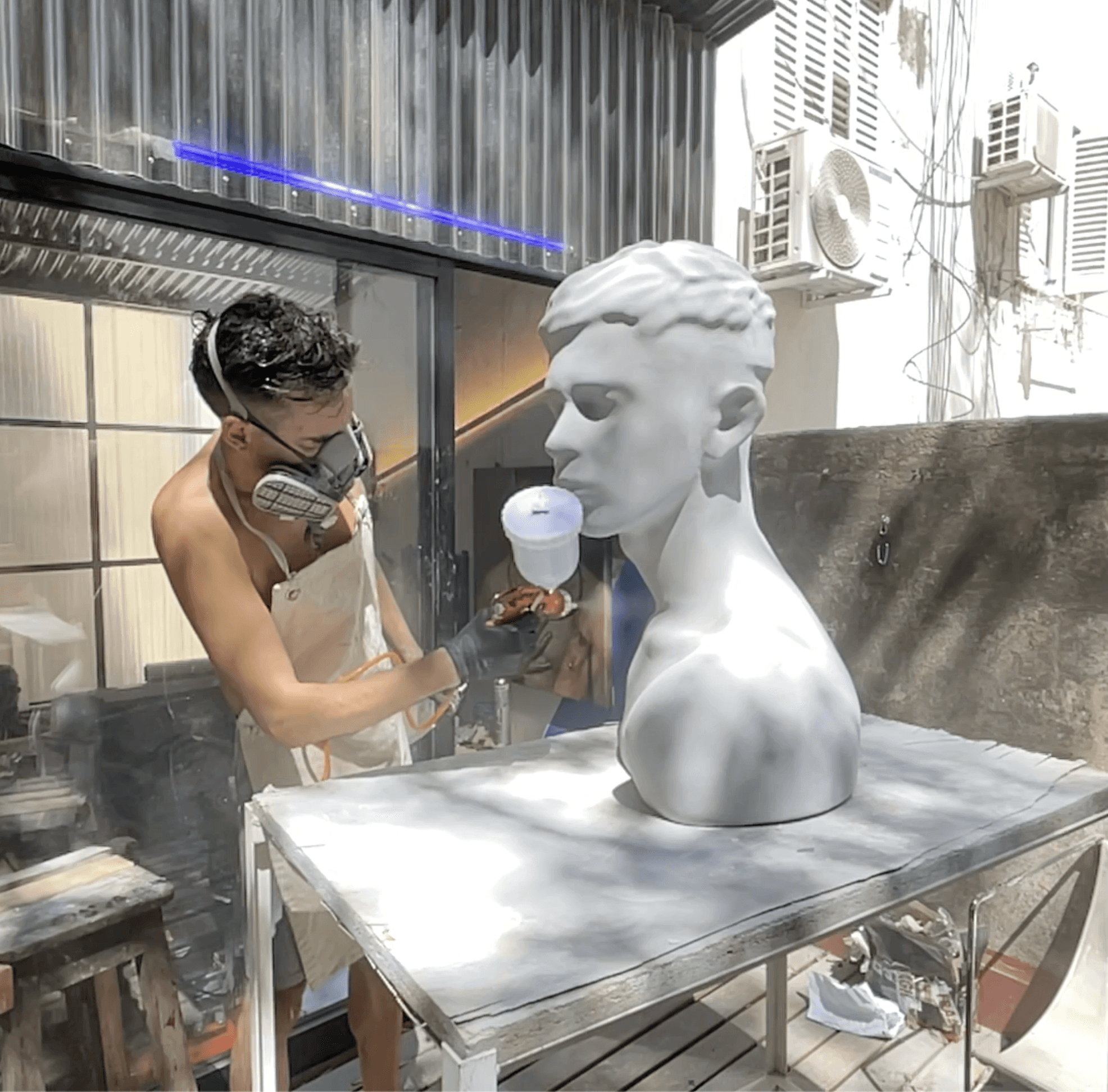
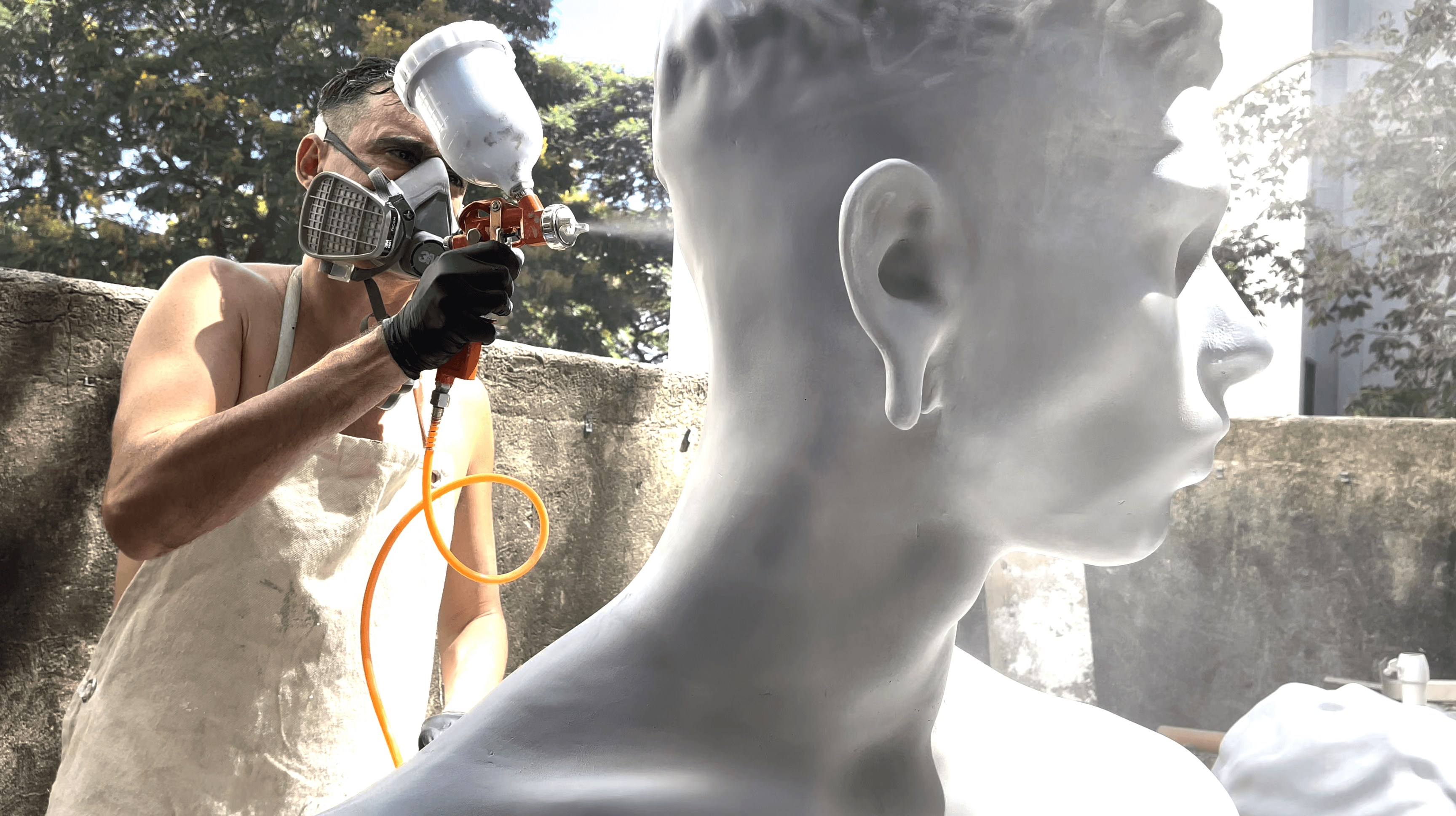
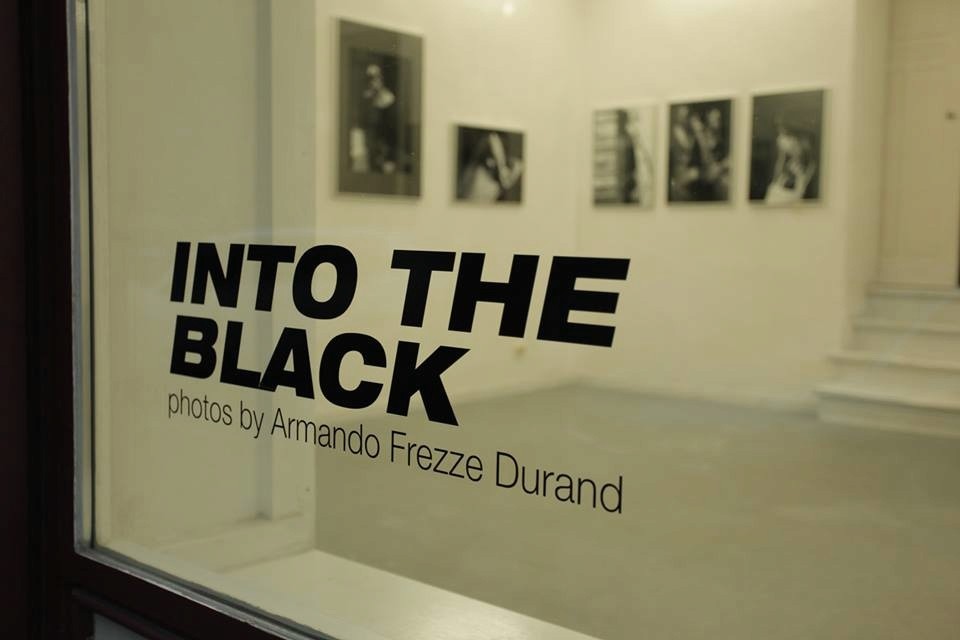
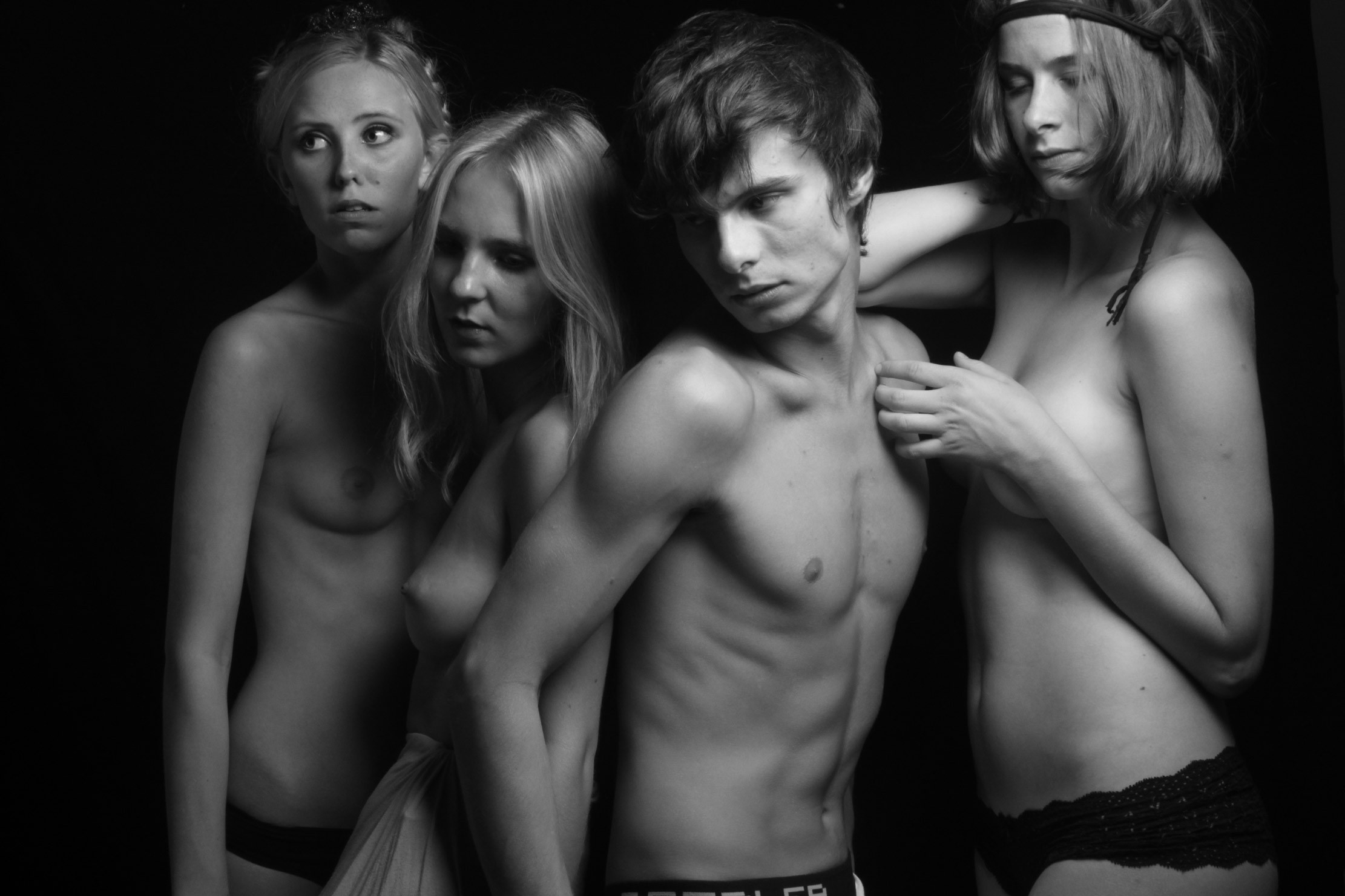
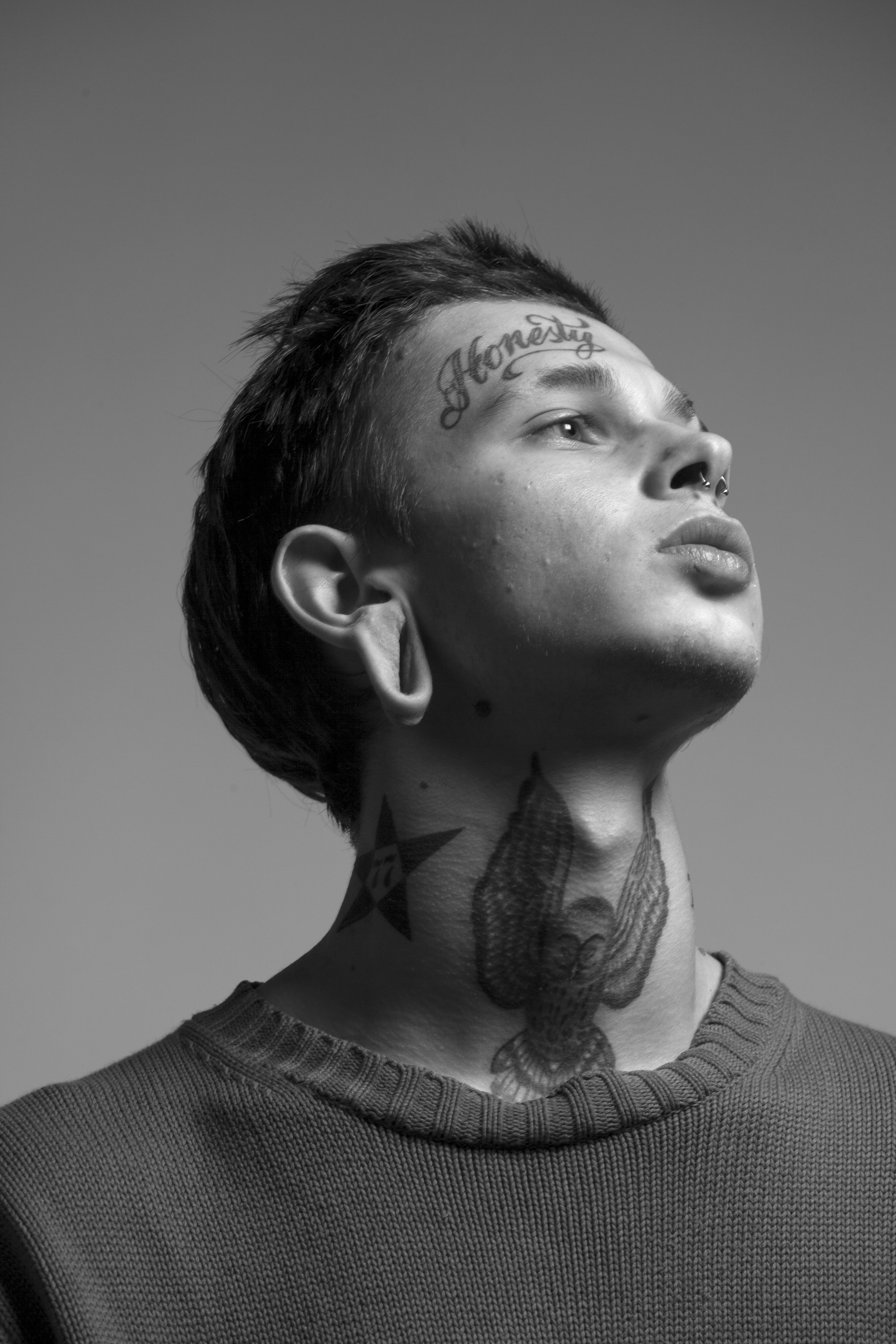
The practice of Armando Frezze Durand is situated at the intersection of image, technology, and materiality. His work originates in photography and audiovisual processes — from the analog laboratory to the digital environment — before shifting toward scanning, manipulation, and the translation of images into physical bodies. Sculpture emerges here not as a point of departure, but as the consequence of a trajectory that moves across online and offline spaces, between the virtual and the tangible.
Within this transition, the human body — particularly the male body — operates as a gesture of displacement. Bodies and images extracted from everyday visual flow — anonymous figures, presences seemingly irrelevant within established cultural hierarchies — are translated into matter with the intention of persisting through time. In this act of translation, a constant tension emerges between representation, desire, and technological artifice.
This materialization introduces an uncomfortable question: which bodies, which images, and which narratives deserve to be preserved? By granting sculptural weight and duration to figures without apparent hierarchy, the work destabilizes notions of relevance, value, and idealization, exposing the arbitrary nature of what a culture chooses to monumentalize, reproduce, or endlessly replicate.
Repetition functions within the work as a method. The same body, the same image, or the same individual reappears over time in different forms — photography, video, sculpture, relief — displaced and rewritten through each new material translation. This insistence does not seek to fix an icon, but to erode it: to continuously question its permanence, symbolic charge, and relationship to time. Repetition does not guarantee permanence; it interrogates it.
Between image and matter, Frezze Durand’s practice does not seek to resolve meaning, but rather to open questions about what we preserve, why we preserve it, and what is lost in the process. A gesture of friction against the logic of constant displacement and the infinite consumption of images.
/
La práctica de Armando Frezze Durand se construye en el cruce entre la imagen, la tecnología y la materialidad. Su trabajo parte de la fotografía y el audiovisual —del laboratorio analógico al entorno digital— para desplazarse hacia procesos de escaneo, manipulación y traducción de imágenes en cuerpos físicos. La escultura aparece aquí no como punto de partida, sino como consecuencia de un recorrido que atraviesa lo online y lo offline, lo virtual y lo tangible.
En este tránsito, el cuerpo humano —particularmente el cuerpo masculino— funciona como una operación de desplazamiento. Cuerpos e imágenes provenientes del flujo cotidiano —personajes anónimos, presencias irrelevantes dentro de las jerarquías culturales— son traducidos a materia con la intención de persistir en el tiempo. En esa traslación se activa una tensión constante entre representación, deseo y artificio tecnológico.
Esta materialización introduce una pregunta incómoda: ¿qué cuerpos, qué imágenes y qué relatos merecen ser conservados? Al otorgar duración y peso escultórico a figuras sin jerarquía aparente, la obra tensiona las nociones de relevancia, valor e idealización, y expone el carácter arbitrario de aquello que una cultura decide monumentalizar, reproducir o multiplicar.
La repetición opera en la obra como un método. Un mismo cuerpo, una misma imagen o un mismo individuo reaparece a lo largo del tiempo bajo distintas formas —fotografía, video, escultura, relieve—, desplazado y reescrito en cada nueva traducción material. Esta insistencia no busca fijar un ícono, sino erosionarlo: volver a interrogar su vigencia, su carga simbólica y su relación con el tiempo. La repetición no garantiza permanencia; la interpela.
Entre imagen y materia, la práctica de Frezze Durand no busca cerrar sentidos, sino habilitar preguntas sobre qué conservamos, por qué lo hacemos y qué dejamos caer en el proceso. Un gesto de fricción frente a la lógica del desplazamiento constante y el consumo infinito de imágenes.